ITALIAN CULTURE.
ITALIAN
OPERA
Which one
is the metaphor for Italia and why is it important?
The
metaphor for Italia is the Italian Opera. Italia is one of the youngest countries
under the concept of Nation, only Germany is younger, however Italy is full of
history and future.
We all know
about the romantic view about Italy, however Italy also has serious problems in
many aspects such as in the economy, internal divisions and high levels of
corruption.
This has
led the Italian society to “divide” in “two countries”, the North Italy and the
South Italy. Therefore Separatist movements have argued that the North Italy
should be an apart country from the South due to their economical autonomy, as
they are the Industrial part of Italy and consequently the most important taxes
contributors. On the other hand we have the Romantic south of Italy, where the
corruption make serious problems in the institutions and culture, nevertheless,
both parties (North and South) complement each other, as the labor hand of the
North comes from the workers of the South. Thus, generating a good balance that
benefits both of them.

Which characteristics are important for us to understand the Italian Metaphor?
OVERTURE:
The
overture in the opera refers to the initial part when the principal characters indicates
the idea of what to expect. This is very important for the Italian culture, as
they see the overture as a very important aspect in their life. For instance,
the overture at the time to establish a negotiation is very representative for
them, as they need to understand and know a little bit more of the other part
before they close any deal. We could say that they could be in the middle point
between the Americans and the Asian culture, as the Americans go directly to
the main point of the conversation or negotiation and the Asian because they
really need to know the counter part as a human before they take any decision.
However it also depends on the region, as the north is more likely to the American
culture while the south likes a bigger overture.
PAGEANTRY
AND SPECTACLE:
Once the
curtains go up, the show starts with a stunning set, the idea is that everybody
be fascinated with the show and could perceive how wonderful the Opera is. By
large same happens with the concepts of life and territory for the Italians.
Italians tend to be very emotive and expressive, and the idea to incorporate
the Pageantry and spectacle to the daily life is because they want to make life
easier in a more acceptable and emotive way.
There are
two concepts we need to understand first, the Garbo and the Bella Figura:
The Garbo: “Deal
with situations delicately and without offense”. Due to the Italian humor,
this is a very important characteristic
in their conversation style, as they use to express their feelings and thoughts
very openly, they also need the ability to say things without offending the
other person and thus avoiding damaging relations.
La Bella
Figura: “The art of public performance”. For this society, the image and the
first impression is really important, that is why this concept appear in their
culture and remains as one of the most important. For instance, an Italian would
be willing to rent a very luxury car for only one afternoon in order to impress
some people of a social club, even if he has to pay it during a whole year.
VOICE:
The voice
in the Opera refers to the language in the Italian culture, thus they perceive
it as the most beautiful in the world. The language here is very emotive, just
as Italians are, therefore it is full of passion, rhythm and tonality.
They also
use a lot the hands movements and the gestures, just to make more accuracy the
message at the same time they are used to use flattery and polite lies.
EXTERNALIZATION:
Here we are
talking about the externalization of the feelings and thoughts, this is the
opposite behavior to the British, as the British tend to be more controllers of
their emotions.
Consequently,
the drama comes as an important part of their daily life, this is why they use
to meet everyday at the piazza which is located in the center of the city.
There, they express all their feelings and what happened during the labor day,
this is a very good space for them to meet old friends or to make new ones, as
they don’t even have to organize the meeting because they already know that the
others will be there just after work.
The drama
is also present in every situation, for example in funerals, which is very
particular as it is a situation commonly perceive as respectful and quiet.
Moreover the family is also a very important part of the decision taking
process for any Italian. They share everything with their family, and they need
them to get their opinion, however the one that takes the final decision is the
individual. This has become into a really difficulty for the Italian companies
due to the confidential clauses, because as they need to share everything with
their families, it is very hard to keep the secrets safe.
CHORUS AND
SOLOISTS:
In the beginning
only existed the chorus, however the director of the opera and the public saw
the need of a main character in order to give more drama and emotions to the
show, this is how the Soloist was born. Nowadays it is almost impossible to
conceive an opera with out chorus and soloists. Same happens with the Italian society
and its internal divisions, as they need each other to survive even though if
they are quite different and in some aspects autonomous.

RESEARCH
QUESTION
Mention
some of the most important Italian characters in the history.
 |
| Casiodoro. |
FAMOUS WRITERS
- · Casiodoro
- · Petrarca
- · Castiglione
- · Maquiavel
- · Boecio
- · Símaco
FAMOUS
SCHOOL AUTHORS.
- · Magnus Felix Ennodius
- · Arator
- · Venancio Fortunato
- · Felix “The grammariar”
- · Pedro de Pisa
- · Paulino de Aquilea
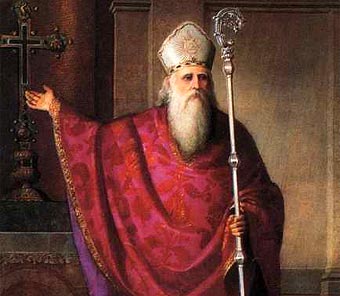 |
| Venancio Fortunato. |
HISTORIC CHARACTERS.
- · Alessandro Volta (1745-1827), Lombardia
- · Américo Vespucio (1454-1512), Florencia, Toscana
- · Cristobal Colon (1451-1506), Génova, Linguria
- · Dante Alighieri (1265-1321), Florencia, Toscana
- · Donnatello (1386-1466), Florencia, Toscana
- · Galileo Galilei (1564-1642), Florencia, Toscana
- · Giacomo Puccini (1858-1924), Viareggio, Toscana
- · Leonardo da Vinci (1452-1519), Vinci, Toscana.
- · Miguel Angel (1475-1564), Florencia, Toscana.
- · Vittorio Emanuele II (1820-1878), Roma, Lacio.
 |
| Leonardo da Vinci. |
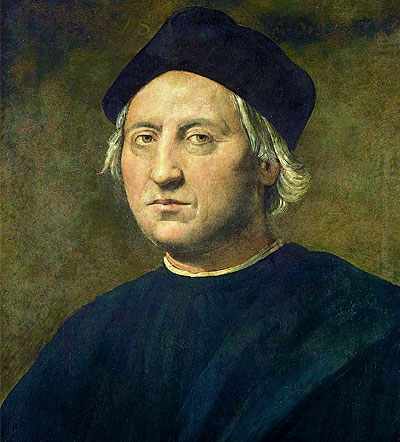 |
| Cristobal Colon. |
 |
| Miguel Angel. |
BIBLIOGRAPHY
https://sites.google.com/site/moltobeneitalia/personajes-importantes-de-italia
http://conoceitalia.blogspot.com/2012/03/personajes-historicos.html
http://www.biografias.es/pais/italy/
http://www.biografias.es/pais/italy/
http://www.biografiasyvidas.com/biografia/f/fotos/fortunato_2.jpg
http://www.biografiasyvidas.com/biografia/l/fotos/leonardo_da_vinci.jpg
http://www.biografiasyvidas.com/biografia/c/fotos/colon_cristobal.jpg
http://sobreroma.com/wp-content/uploads/opera1.jpg
http://image.guardian.co.uk/sys-images/Music/Pix/pictures/2007/09/06/4pavarotti1.jpg

No hay comentarios:
Publicar un comentario